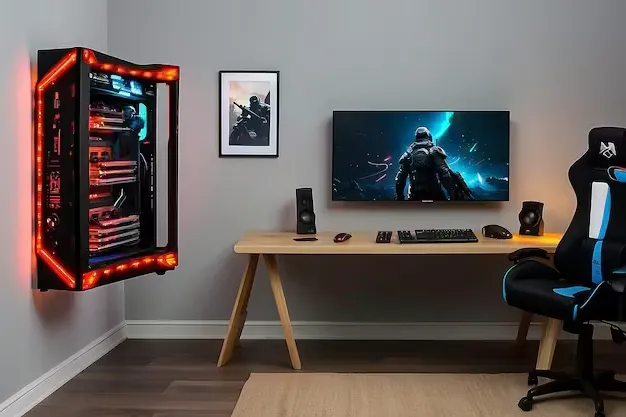

Gamingcorner Zap-Internet is emerging as a clever blend of gaming lounge, speed-test culture and always-on connectivity, designed for players who care as much about ping as they do about pixels. Think of it as a modern “gaming corner” built around low-latency internet, console-style comfort and a social, drop‑in vibe. In a world where one lag spike can ruin a ranked match, the idea of a dedicated, performance-focused corner of the web – or the living room – has serious appeal.
Instead of treating broadband as an afterthought, the gamingcorner zap-internet concept puts the connection front and centre, with reliable speed, jitter monitoring and streaming‑ready bandwidth. It borrows from pro‑level speed test tools to help players understand and improve their network performance, then wraps it all in a cosy, controller‑in‑hand environment. The result is a space where competitive gamers, casual co‑op fans and aspiring streamers can all sit down, plug in and get straight to the action without fiddling with routers or guesswork.
Why Fast, Stable Internet Matters for Gaming
Modern online games are unforgiving when your connection wobbles, which is why gamingcorner zap-internet focuses so heavily on stability as well as raw speed. Latency – the delay between your input and the server’s response – can be the difference between nailing a headshot and staring at a respawn screen. Jitter, the variation in that latency, can make gameplay feel erratic even if your download number looks impressive on paper. A proper gaming corner recognises this and helps you measure and tame those hidden metrics.
What sets this approach apart is the insistence on measuring what actually matters in‑game, not just chasing headline download figures. Tools inspired by advanced speed tests break down ping, jitter and packet loss, giving players a realistic sense of how their connection will behave in a firefight or last‑circle battle royale. When you combine that with well‑configured hardware and sensibly placed routers or access points, you get a zap‑internet setup that feels responsive, consistent and ready for marathon sessions.
Key Elements of a Gamingcorner Zap-Internet Setup
At its heart, a gamingcorner zap-internet space combines three pillars: a fast, reliable connection, comfort‑first hardware, and clever layout. On the network side, think wired Ethernet where possible, quality routers with gaming‑friendly QoS, and regular speed checks to ensure you are actually getting what you pay for. This is not about chasing theoretical gigabits; it is about sustainable, low‑latency performance at the times you play most.
The physical corner matters just as much. A good chair, sensible screen distance and tidy cable management turn a tangle of tech into a place you genuinely want to spend hours in. Soft lighting, a solid headset stand and controller charging docks keep everything within reach, while still looking presentable in a shared home. When you bring together ergonomics and zap‑internet performance, you get a corner that feels more like a boutique lounge than a cluttered bedroom desk.
How Zap-Internet Enhances Console and PC Play
Console players benefit immediately from a zap-internet mindset because it removes the bottlenecks that often plague shared household Wi‑Fi. Running a wired line to your console, or at least a dedicated 5 GHz channel, reduces interference from phones and smart TVs. Combined with routine speed checks, you can quickly spot when your ISP is under‑delivering before it ruins your Friday night session. For local co‑op, that means four controllers can connect without the network collapsing in congested lag.
PC gamers, chasing high frame rates and ultra settings, often notice latency quirks first, making zap-internet style monitoring particularly useful. By tracking ping and jitter during online matches, you can see whether it is your rig, your server choice or your line that needs attention. A proper gaming corner setup also encourages better hardware airflow, sensible desk height and cleared‑out USB clutter, helping your PC run cooler and more consistently during long online sessions.
Core Features of a Modern Gamingcorner Zap-Internet
Building Your Own Gaming Corner at Home
Creating a gamingcorner zap-internet at home does not require a full renovation; it starts with choosing the right spot and treating your connection as part of the furniture plan. Pick a corner with easy access to power sockets and, ideally, the router or an Ethernet point. Then plan where your console or PC, display and seating will go, keeping airflow and sightlines in mind. A little thought at this stage saves you from hot hardware and neck strain later.
Next comes networking. If you can run a cable, do it; wired links remain the gold standard for low‑latency play and stable downloads. If cable is impossible, look at mesh Wi‑Fi or powerline adapters to strengthen the signal where you sit. Test before and after each tweak using a reliable speed‑test tool so you can see whether your changes actually improved ping, jitter and throughput. Over time, those small, evidence‑based improvements add up to a corner that simply feels better to play in.
Social Gaming Nights and Local Setups
One of the charms of the gamingcorner zap-internet idea is how easily it supports social sessions, whether you are hosting couch co‑op or a casual mini‑tournament. Setting up multiple controllers, extra seating and clear cable routes means friends can drop in and play without a half‑hour of technical faff. Because the internet side is already tuned, you can jump into online lobbies together with confidence that your connection will hold up when the lobby fills.
Local game collectors and setup enthusiasts are increasingly treating their corners as personal showcases, combining shelves of boxed titles with carefully arranged displays and lighting. This aesthetic side matters more than you might think; a space you are proud of tends to get more use and care. That, in turn, keeps you on top of firmware updates, cable health and router placement, all of which quietly feed back into the zap‑internet performance you experience day to day.
Monitoring and Improving Your Network Performance
A key habit in any gamingcorner zap-internet setup is regular, structured network testing. Instead of guessing why a match feels “off”, you run checks that report download, upload, latency, jitter and packet loss, then compare them to your usual baseline. If numbers drift, you have evidence to adjust Wi‑Fi channels, reboot hardware or call your ISP armed with concrete data rather than vague frustration.
Over time, this evidence‑first approach makes you more confident in your setup and less vulnerable to marketing promises that do not match real‑world play. Detailed guides on interpreting latency and jitter help you understand why a modest‑looking connection can outperform a flashy one if it is more stable. One useful reference for grasping speed and quality metrics in plain language is the guidance from Fusion Connect’s speed‑test overview, which explains how jitter testing complements basic download and upload checks.
Zap-Internet for Streamers and Content Creators
For streamers, the gamingcorner zap-internet concept is almost a necessity rather than a luxury. You are effectively doing two demanding tasks at once: playing a networked game and broadcasting live video to a platform like Twitch or YouTube. That puts sustained pressure on upload bandwidth and makes jitter particularly dangerous, because viewers will notice micro‑freezes even if you do not. A dedicated corner lets you separate work from the rest of the house traffic.
Creators also tend to benefit from more elaborate desk layouts, with multiple monitors, capture cards and audio gear to juggle. A planned corner makes this manageable, turning what could be a chaotic sprawl into an efficient, semi‑studio space. This is where thoughtful cable routing, labelled power strips and wall‑mounted shelves come into play, maintaining that zap‑internet reliability while also keeping the visual backdrop tidy for viewers. For a human story behind this kind of dedicated space, profiles like this feature on Arlene Litman’s creative setup offer a nice dose of inspiration.
Common Mistakes When Setting Up Zap-Internet
Many players focus solely on advertised download speeds and ignore the subtler killers of a smooth experience: latency, jitter and packet loss. They position consoles far from routers, rely on congested 2.4 GHz Wi‑Fi and then blame the game when shots register late or characters rubber‑band across the map. Gamingcorner zap-internet, by contrast, teaches you to value proximity, wired links and intelligent router placement over flashy numbers on a broadband leaflet.
Another frequent misstep is underestimating ergonomics and environment. Perching on the edge of a bed, craning towards a screen and playing in a poorly ventilated alcove leads to fatigue and overheated hardware long before your internet gives out. A real gaming corner treats your body and your kit with equal respect, offering a supportive chair, sensible desk height and enough breathing room for consoles and PCs to exhaust heat properly across long sessions.
Future Trends: Where Gamingcorners Are Heading
Looking ahead, gamingcorner zap-internet setups are likely to become even more integrated, blending cloud gaming, local play and smart‑home automation. As more services offload rendering to remote servers, connection quality will become the defining factor in how “next‑gen” your experience feels, regardless of the box under the telly. That pushes the gaming corner further towards being an intelligent network hub as much as a stylish nook.
We are also seeing a cultural shift where personal gaming corners are shared proudly online, inspiring others to refine their own spaces. Communities of collectors and setup enthusiasts swap photos, layout tips and network tweaks, accelerating the spread of best practice. In that environment, zap‑internet is less a brand name and more a shorthand for a standard: a gaming space where performance, comfort and social connection all meet.
Conclusion
Gamingcorner zap-internet is really about taking your play seriously enough to give it a proper home, both physically and digitally. By combining fast, stable connectivity with a thoughtfully arranged corner, you create a space where every match feels smoother, every download finishes quicker and every local game night runs with fewer hiccups. Whether you are grinding ranked ladders, hosting friends or streaming to an audience, that blend of comfort and performance turns gaming from a squeezed‑in pastime into a genuinely polished part of your home life.
What does gamingcorner zap-internet actually mean?
Gamingcorner zap-internet describes a gaming setup built around reliable, low‑latency internet and a dedicated physical space for play. It couples fast, stable connections with a comfortable, intentional corner where consoles, PCs and accessories live together. Rather than treating network performance as an afterthought, it makes it the backbone of the gaming experience.
Do I need ultra-fast fibre for a good gamingcorner zap-internet?
You do not necessarily need the fastest fibre tier available, but you do need a stable, low‑latency connection with enough bandwidth for your household. For most players, mid‑range fibre with decent upload speeds and consistent jitter levels is more important than headline gigabit claims. Regular speed testing helps confirm whether your current plan is enough for smooth play and streaming.
Is wired internet always better than Wi‑Fi for gaming?
In almost all cases, a wired Ethernet connection offers lower latency, less jitter and fewer random drops than Wi‑Fi. That makes it the preferred choice for a serious gamingcorner zap-internet setup, especially for competitive play. However, modern mesh Wi‑Fi systems can still deliver a solid experience when cables are not practical, provided they are carefully positioned and tested.
How can I reduce lag and jitter in my gaming corner?
Start by connecting your main gaming device via Ethernet, then place your router in an open, central position away from thick walls and interference sources. Use advanced speed tests to monitor not just download and upload, but also latency and jitter, making adjustments to channels and device priority as needed. If problems persist, speak to your ISP armed with test results so they can investigate line issues.
What equipment is essential for a basic gamingcorner zap-internet?
At minimum, you will want a reliable router, either a wired link or strong Wi‑Fi to your gaming device, a comfortable chair and a suitably sized display. From there, you can add a quality headset, extra controllers, neat storage and gentle lighting to complete the corner. The key is balancing performance‑focused kit with comfort, so the space feels welcoming as well as fast.
Can a gamingcorner zap-internet setup help with streaming?
Yes, because it focuses on both upload stability and physical organisation, which are crucial for live streaming. A dedicated corner lets you manage multiple screens, capture hardware and microphones without clutter, while a tuned connection reduces buffering, dropped frames and audio desync for viewers. Streamers often notice fewer technical interruptions once they centralise everything into a single, well‑planned space.
How do I keep my gamingcorner zap-internet future‑proof?
Future‑proofing is about flexibility rather than chasing every new gadget. Choose routers and mesh systems that support upcoming Wi‑Fi standards, leave extra power and cable capacity in your corner, and keep your network knowledge up to date with reputable guides. By reviewing your setup periodically and testing performance, you can adapt smoothly as cloud gaming, new consoles and faster services arrive.